


Die Magdeburger Ulrichskirche -
Erinnern. Gedenken. Untersuchen. Freilegen. Rekonstruieren.
Herzlich willkommen auf den Seiten des Kuratoriums Ulrichskirche e. V.!
Vielen Dank für Ihr Interesse an der Magdeburger Ulrichskirche. Sie wollen sich informieren und darüber freuen wir uns sehr. Wir hoffen, diese Seiten werden Sie fesseln, überzeugen und inspirieren. Acht kriegsbeschädigte Kirchen ließ die SED-Führung in Magdeburg sprengen. Die älteste und bedeutendste von allen kann als einzige erschlossen, freigelegt und in Teilen oder in Gänze wiederhergestellt werden! Unser Verein will das Bewusstsein dafür wecken, welche städtebaulichen, kulturellen und touristischen Chancen sich hierdurch für die Stadt Magdeburg ergeben.Werden Sie Mitglied in unserem Förderverein! Spenden Sie!
Eine von acht, eine für alle!
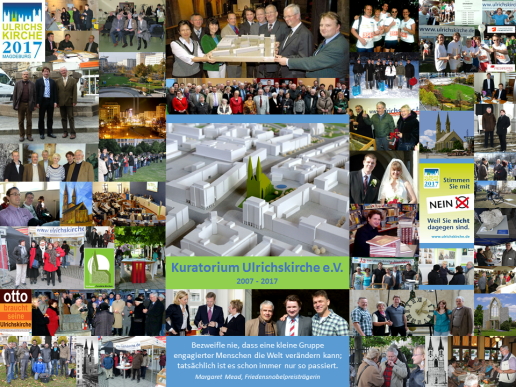
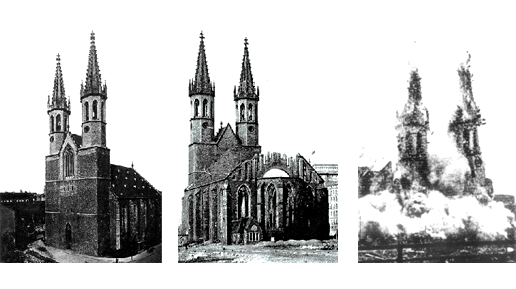
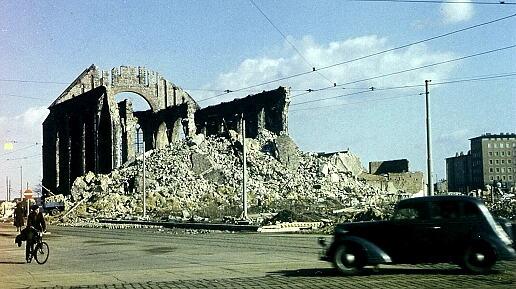
Unser Förderverein wurde am 31. Oktober 2007 gegründet. Nach drei Jahren erfolgreicher Vereinsarbeit konnten wir am 24. Juni 2010 einen Stadtratsbeschluß erwirken, der unser Vorhaben, die am 5. April 1956 gesprengte Ulrichskirche in ihrer letzten architektonischen Fassung wiederzuerrichten, unterstützte. Gegen diesen Stadtratsbeschluß hatte dann eine von links gesteuerte Gegenbewegung mit Unterstützung des Oberbürgermeisters Dr. Lutz Trümper am 09. September 2010 ein Bürgerbegehren initiiert, welches in einem Bürgerentscheid im März 2011 mündete. Drei Viertel der interessierten Wähler beantworteten am 20. März 2011 die Fragestellung "Sind Sie gegen den Wiederaufbau der Ulrichskirche?" mit "Ja" und lehnten damit den Wiederaufbau der Ulrichskirche ab. 26.470 Wahlberechtigte (ein Viertel) unterstützten damals jedoch auch den Wiederaufbau der Ulrichskirche und die Arbeit unseres Fördervereins. Der Magdeburger Stadtrat war lt. Kommunalgesetzgebung zwei Jahre (bis 20. März 2013) an das Ergebnis des Bürgerentscheids gebunden. Ab dem 21. März 2013 konnte und kann die kommunale Vertretung des Magdeburger Stadtrats wieder demokratische Beschlüsse zu diesem Thema fassen.
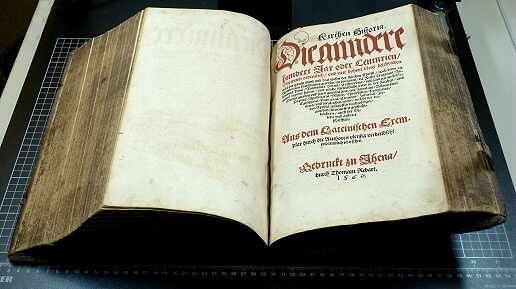
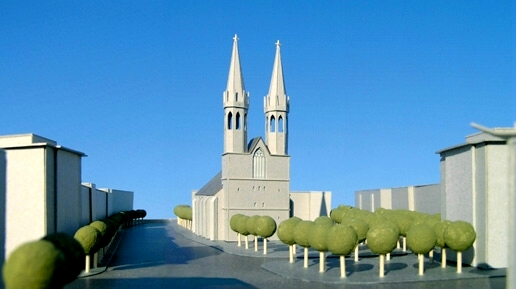
Das Kuratorium Ulrichskirche e.V. respektierte das Ergebnis des Bürgerentscheids vom März 2011 und die damit verbundene Sperrfrist. Nach 2011 passten wir die Satzung deshalb an und fokussierten uns auf die Untersuchung der Unterkirche und die Errichtung einer Erinnerungsarchitektur für das gesprengte Bauwerk. Aus der Mitgliederversammlung heraus kam 2015 die Idee, das Portal der Ulrichskirche am originalen Standort wiederzuerrichten und die Fundamente zu erschließen. Wir konnten hierfür bei der Verwaltung und in den Fraktionen Bündnis 90/Die Grünen, CDU, FDP und BfM Unterstützer gewinnen, die am 23. Februar 2017 einen Antrag zur Aufwertung des Ulrichplatzes im Stadtrat zur Abstimmung brachten. Leider wurde dieser Antrag unter Führung von Stadtrat/MdB Burkhard Lischka (SPD) und Stadtrat Oliver Müller (DIE LINKE) und ihren Fraktionen mit 27 zu 23 Stimmen abgelehnt. Im Reformationsjahr 2017, dem 500. Jubiläum der Reformation, konnte damit nicht an die wichtigste Reformationskirche Magdeburgs, auch Unseres Herrgotts Kanzlei genannt, erinnert werden. Die ablehnende rot-rote Mehrheitsentscheidung des Stadtrats wurde in der Folge auch kontrovers in der Presse diskutiert. An einer nicht repräsentativen Umfrage der Magdeburger Volksstimme nahmen bis zum 13. November 2017 insgesamt 7130 Leser teil. Die Mehrheit (59 Prozent) wünschte sich ein rekonstruiertes Ulrichskirchenportal auf dem Ulrichplatz. Auf den Portaltüren hätte über die bedeutende Geschichte der zweitältesten Magdeburger Stadtpfarrkirche berichtet werden können. Magdeburger Bürgerinnen und Bürgern sowie Touristen hätte das gesprengte Bauwerk in zentraler Lage damit wieder in Erinnerung gebracht werden können.

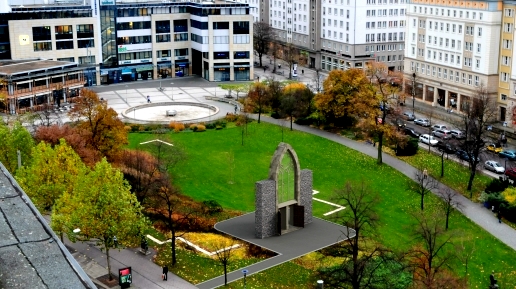
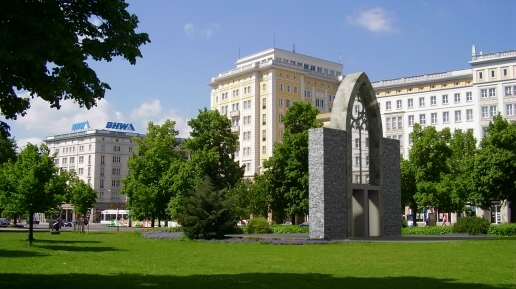
Fotomontage unseres Vorschlags, das Portal der Ulrichskirche wiederzuerrichten, abgelehnt vom Magdeburger Stadtrat am 13. November 2017 mit 27 zu 23 Stimmen
Das Kuratorium Ulrichskirche e.V. arbeitete beflügelt durch diese Zeitungsumfrage in der Folge weiter engagiert an seinem Vereinszweck, die Erinnerung an die mit der Ulrichskirche verbundenen Geschichte Magdeburgs lebendig zu machen. Am historischen Ort der Ulrichskirche soll dem Gedenken an die Zerstörungen Magdeburgs Raum und Gestalt gegeben werden. Wir haben uns daher als geschichtsbewußte Bürgerinnen und Bürger im Oktober 2021 sehr über einen interfraktionellen Antrag von SPD/CDU/Grünen/Future „Archäologische- und Suchgrabungen im Bereich des Ulrichplatzes A0228/20“ gefreut, der uns erlauben sollte, auf einem eng umschriebenen Areal mit eigenen finanziellen Mitteln eine zeitliche begrenzte Suchgrabung durchführen zu können. Dieser interfraktionelle Antrag wurde jedoch -wie bereits 2017- mit 21 zu 20 Stimmen (diesmal denkbar knapp) in der verlängerten Stadtratssitzung vom 11. Oktober 2021 abgelehnt. Die Fraktionen DIE LINKE, Gartenpartei/Tierschutzallianz und AfD haben geschlossen dagegen gestimmt. Auch der Oberbürgermeister der Stadt Magdeburg, Dr. Lutz Trümper, meldete sich erwartungsgemäß kritisch vor der Abstimmung zu Wort und stimmte ebenfalls dagegen. Damit folgte er seiner seit nunmehr 14 Jahren bestehenden Ablehnung des bürgerlichen Engagements unseres Fördervereins. Dr. Trümper hätte mit seiner Stimme das Zünglein an der Waage für einen anderen Ausgang dieser Abstimmung sein können. Hiermit unterscheidet er sich von seinem Vorgänger Alt-OB Dr. Willi Polte, der diese Suchgrabung leidenschaftlich unterstützte. Allen Beteiligten war im Vorfeld klar, dass es bei dieser Suchgrabung nicht um die Vorbereitung eines Wiederaufbaus der Ulrichskirche sondern um das Interesse an der eigenen Stadtgeschichte und die erstmalige Untersuchung eines Bodendenkmals ging. Um dies klarzustellen wurde ein entsprechender Ergänzungsantrag gestellt und auch mit großer Mehrheit angenommen. Der nunmehr abgelehnte interfraktionelle Antrag sollte in einem ersten Schritt damit den Archäologen lediglich erlauben, auf Kosten des Kuratoriums Ulrichskirche e.V. eine zeitlich und inhaltlich fest vorgegebene Untersuchung des Bodendenkmals Ulrichskirche auf einem baumlosen Areal vorzunehmen, um zunächst grundlegende wissenschaftliche Erkenntnisse zu gewinnen. Dieses Areal wäre sodann wieder zuzuschütten und in den ursprünglichen Zustand zu versetzen. Wir bedauern das Abstimmungsergebnis im Stadtrat vom 11. Oktober 2021 sehr und sind irritiert und enttäuscht von den Redebeiträgen der Fraktionen DIE LINKE, AfD, Gartenpartei/Tierschutzallianz und von Carola Schumann von der Fraktion FDP/Tierschutzpartei, die einen für die Kommune kostenlosen und zeitlich eng begrenzten Blick in die Stadtgeschichte blockierten und damit vorerst verhinderten ("Stadtratssitzung vom 11. Oktober 2021/Fortsetzung"ab 02h:05min:55sec unter https://www.youtube.com/watch?v=UTuiTu7LIWQ).Wir bedanken uns herzlich bei den 20 Stadträten, die diese kleine und notwendige Untersuchung unterstützt haben und blicken beschämt und auch ein wenig neidisch nach Potsdam und Dresden, wo ganz andere Dimensionen eines bewussten Umgangs mit der eigenen Stadtgeschichte präsentiert werden. Jede noch so kleine Stadt in Deutschland wäre glücklich, unter ihrem zentralsten Platz die Fundamente eines historischen Bauwerkes liegen zu haben, dessen Wurzeln vermutlich bis in die Zeit der Ottonen zurückreichen. Und jede Stadt in Deutschland würde danach graben, um sie für ihre Bürgerinnen und Bürger und ihre Gäste sichtbar und erlebbar zu machen. Nur in Magdeburg ist dies nicht so. Wir werden weiterhin daran arbeiten, dies zu ändern.

Fotomontage unseres Vorschlags, auf eigene Kosten auf einem baumlosen Areal (rot markiert) auf dem Ulrichplatz nach den Fundamenten der Ulrichskirche zu graben, abgelehnt vom Magdeburger Stadtrat und Oberbürgermeister Dr. Lutz Trümper am 11. Oktober 2021 mit 21 zu 20 Stimmen
In der Stadtratssitzung am 24. Februar 2022 stellte die Fraktion DIE LINKE dann den Antrag A0029/22 "Resolution Ulrichplatz", der unserem Verein ein für alle Mal verbieten wollte, baulich in irgendeiner Form an die Ulrichskirche zu erinnern: "1. Der Stadtrat bekennt sich weiterhin klar zum deutlichen Ergebnis des Bürger:innenentscheides zur Ulrichskirche aus dem Jahr 2011. 2. Der Stadtrat bekennt sich ausdrücklich zum Erhalt der Grünfläche und wird auch in Zukunft allen Versuchen, diese Grünfläche zu verkleinern, entgegenwirken." Die Magdeburger Volksstimme berichtete am 07.05.2022 in einem Artikel über eine hitzige Diskussion im Bauausschuss über diesen Antrag. Der Ausschuss für Stadtentwicklung, Bauen und Verkehr empfahl dem Stadtrat dann, den Antrag der Fraktion DIE LINKE zumindest in Pkt. 2 wie folgt zu ändern: "2. Der Stadtrat bekennt sich ausdrücklich zum Erhalt der Grünfläche, schließt aber eine zukünftige Gestaltung dieser nicht aus." (A0029/22/1). Der Bauauschuss stimmte Pkt. 1 des Antrags mit knapper Mehrheit zu. Am 14. Juli 2022 wurde der Antrag dann im Kommunal- und Rechtsausschuss behandelt und knapp nicht empfohlen. Der Änderungsantrag wurde dagegen empfohlen. Der Fraktionsvorsitzende der Fraktion DIE LINKE René Hempel zog auf der Stadtratssitzung am 01. September 2022 unter Tagesordnungspunkt 6.3 den Antrag A0029/22 Resolution Ulrichplatz zurück: "Da die Resolution - das haben die Diskussionen in den Ausschüssen gezeigt - keine rechtliche Bindung hat, ziehen wir den Antrag hiermit zurück." Zwischenrufer empörten sich daraufhin, dass durch den Antrag und dessen Diskussion in vier Ausschüssen Zeit vernichtet wurde. Der 1. stellv. Vorsitzende des Stadtrats Herr Norman Belas schloß mit der Bemerkung, dass durch das Zurückziehen des Antrags dem Stadtrat eine lange Debatte erspart wurde. Jens Rösler (SPD) erklärte abschliessend persönlich, dass der Antrag der Fraktion DIE LINKE für die Kulisse gemacht wurde, eine riesen Diskussion losgestürzt habe, obwohl kurz vorher vom Stadtrat beschlossen wurde, dass nichts auf dem Platz gemacht wird. Es bestünde auch im Moment kein Ansinnen im Stadtrat, etwas zu machen. Es wäre daher völlig sinnlos gewesen, diesen Antrag zu stellen. Und diesen jetzt wieder zurückzuziehen, sei eine Frechheit der Fraktion DIE LINKE.
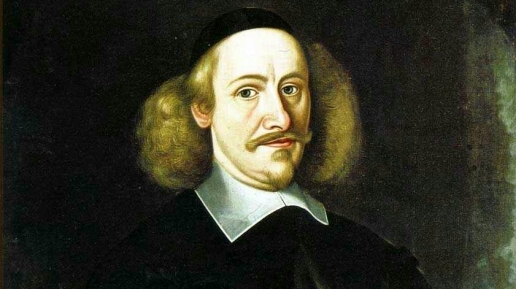
Bei der Magdeburger Ulrichskirche handelt es sich wohlgemerkt um die Tauf-, Heirats- und Gemeindekirche Otto von Guerickes, des größten Sohnes der Stadt Magdeburg. Des Weiteren ist die Ulrichskirche ein historisch bedeutendes Symbol für die Freundschaft zwischen Ulrich von Augsburg und Otto dem Großen (Schlacht auf dem Lechfeld 955, "Geburt der deutschen Nation"). Beide Ottos machen Magdeburg in seiner seit 2010 laufenden Kampagne erst zur Ottostadt. Auf der Webseite der Stadt Magdeburg heißt es dazu: "Der erste römisch-deutsche Kaiser Otto der Große und der Erfinder und Diplomat Otto von Guericke haben die Geschichte und Geschicke unserer Stadt maßgeblich geprägt und sie weit über die Grenzen hinaus bekannt gemacht. Noch heute verleihen sie - und die vielen anderen großen Männer und Frauen unserer Stadtgeschichte - der Elbestadt ein unverwechselbares Gesicht und machen neugierig auf eine moderne Stadt im Herzen Deutschlands und in der Mitte Europas." (Quelle: https://www.magdeburg.de/Start/B%C3%BCrger-Stadt/Stadt/Ottostadt/).
Wir werden uns weiterhin dafür engagieren, diesen unverständlichen Widerspruch zwischen Stadtmarketingkampagne "Ottostadt Magdeburg" und Stadtratsentscheidungen aufzulösen und bleiben neugierig. Unser herzlicher Dank gilt allen Stadträten, die bei oben genannten Abstimmungen für die Anträge gestimmt haben.
Mit herzlichen Ulrichsgrüßen!
Der Vorstand des Kuratoriums Ulrichskirche e.V.
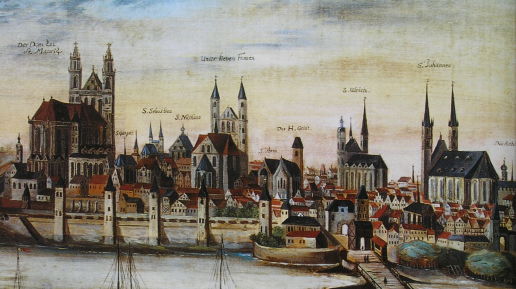
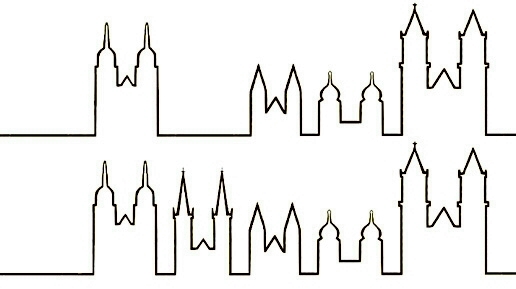
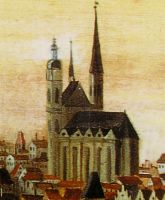
Alte Stadtansicht der Kaiserstadt Magdeburg mit den typischen Doppelturmkirchen (St.Ulrich 2.v.r.)

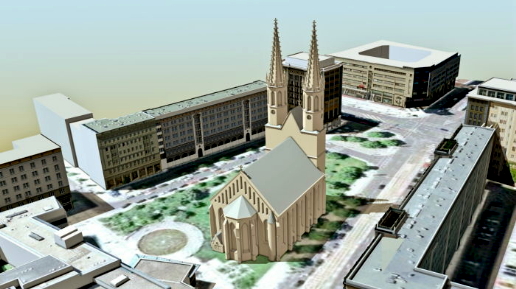
Luftbild vom Ulrichsplatz mit Fotomontage des Portals
.


Die Geschichte der Magdeburger Ulrichskirche in Bildern
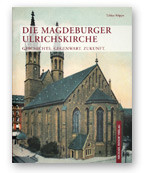
Wenn Sie sich noch mehr Wissenswertes über die Pfarrkirche St. Ulrich und Levin erfahren möchten, können Sie im Buchhandel das Buch "Die Magdeburger Ulrichskirche - Geschichte. Gegenwart. Zukunft." und das DKV-Heft "Die Ulrichskirche in Magdeburg" erwerben.

Links: Das Buch "Die Magdeburger Ulrichskirche - Geschichte. Gegenwart. Zukunft.", erschienen im Michael-Imhof-Verlag, ISBN 978-3-86568-677-0, Euro 19,95.
Rechts: Das DKV-Heft "Die Ulrichskirche in Magdeburg", Deutscher Kunstverlag; ISBN 978-3-422-02278-2, Euro 3,00.
Laden Sie auch unseren Infoflyer herunter: Download Flyer
18.04.2024
05.04.2024
25.02.2024



Zitat des Monats
"Aber woher sollten das die Wähler wissen? Hätten sie es gewusst und anders abgestimmt, wäre Magdeburg jetzt jährlich das Ziel von zigtausenden US-Touristen und 2025 sicher Kulturhauptstadt Europas." Siegfried Kolberg, Magdeburg